Insta360 Wave Speakerphone vs Lenovo Legion R27Qe Gen 2: Which Should You Buy?
Introduction
Over the last several months I've been living with two pieces of hardware that have become central to how I work and relax at my desk: the Insta360 Wave speakerphone and the Lenovo Legion R27Qe Gen 2 monitor. I bought both with the intention of upgrading my hybrid-work setup — the speakerphone to finally stop relying on my laptop's tinny microphone during calls, and the monitor to replace an aging 24-inch panel that felt cramped for multitasking and games.
What follows is my honest, hands-on account of using each product in day-to-day life: work calls, long video meetings, podcasting attempts, photo editing, late-night gaming sessions, and the small annoyances that only appear after months of real use. I’ll break down what I appreciated, what disappointed me, and how these two devices stack up when paired with a modern laptop-centric setup.
Insta360 Wave Speakerphone — My Experience
What it is and why I bought it
I bought the Insta360 Wave speakerphone because I needed something that was easy to carry between home and a small office, could connect to my laptop without fiddly adapters, and would provide noticeably better mic quality during meetings. The promise of a compact USB-C speakerphone with good noise suppression and simple controls was appealing — and in daily use it mostly delivered.
Setup and day-to-day use
Setup was pleasantly simple: plug into my laptop's USB-C port, select the device in the OS audio settings, and start. I used it primarily with a laptop on a riser and sometimes with my phone for quick calls. It’s clearly designed for plug-and-play: no heavy software required to start, though Insta360 does offer an app/firmware updater that I used once to get the latest noise-cancellation improvements.
Microphone performance
Microphone quality is where the Wave shines relative to built-in laptop mics. In my experience it picked up voices cleanly across a small conference table and did a solid job of reducing background hum from fans and HVAC. During a few larger calls where multiple people spoke from different angles, the microphone array captured everyone without a harsh drop in volume.
That said, it's not perfect. When someone at the far end of the room spoke softly, the Wave sometimes failed to bring their voice up to the same level as a closer speaker. It also favours close, direct speech; if you expect studio-grade pickup for podcasting or multi-person roundtables in larger rooms, you'll still want dedicated XLR mics or a more purpose-built conference system.
Speaker quality and volume
The speaker is adequate for voice calls and casual media playback. I appreciated that voices come through clearly, which is the primary use case for me. However, the speaker lacks depth — bass is thin and there’s limited stereo separation. For music or immersive games I relied on headphones or my desktop speakers. For conference calls, though, the clarity was more important than musical fidelity.
Controls, build, and portability
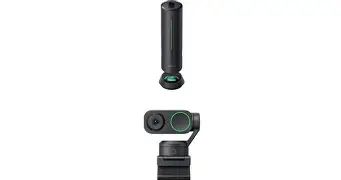
The Wave’s touch controls are convenient and intuitive: mute, volume, and a central multifunction control. The mute function has a satisfying tactile or visual indicator (depending on model specifics) that made it easy to confirm I was muted before speaking. The build feels premium for a small device and fits comfortably in a laptop bag. Because it's bus-powered, I never worried about battery life while moving between locations.
A small downside: the touch controls can be a bit too sensitive when I reach for the laptop keyboard and brush past the device. That's a minor nuisance, but one I noticed over months of use.
Software and compatibility
I used the Wave across Windows and macOS laptops. In my experience, the basics worked consistently. The optional app for firmware updates and some tuning was handy, though not essential. I did encounter one instance where a system update temporarily reset my audio settings and required a quick re-selection of the Wave in the OS sound preferences — not a product fault, but a reminder that peripheral selection can sometimes be finicky after OS changes.
Summary of my Insta360 Wave impressions
Overall, the Insta360 Wave is a very solid, portable speakerphone for a solo worker or small-group conference calls. It’s not a studio microphone or a portable Bluetooth speaker replacement for music lovers, but it fixed my meeting audio problems and made remote conversations easier to manage without cluttering my desk.
Discover deals on Laptops & Computers — updated daily.
Browse Now →Lenovo Legion R27Qe Gen 2 — My Experience
Why I upgraded to the R27Qe Gen 2
I picked the Lenovo Legion R27Qe Gen 2 because I wanted a 27-inch monitor that balanced productivity and gaming performance. My goals were: more screen real estate for code and image editing, a sharper display for QHD content, and a fast refresh rate for gaming after work.
Design, stand, and ergonomics
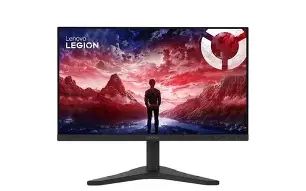
The monitor fits well on my desk — it has a sturdy stand with good height and tilt adjustments that made it easy to align with my laptop riser. The minimal bezel design helped when I used it alongside the laptop screen for dual-display workflows. I particularly appreciated the stand’s quick-release mechanism for VESA mounting when I wanted to swap configurations.
Display quality and color
Out of the box, the R27Qe Gen 2 looked great for everyday use. Text was crisp and apps felt more spacious than my older 24-inch display. Colors were vibrant and contrast felt strong, which helped when I worked on photos and light edits. I did run a quick calibration with my colorimeter and found that a modest profile adjustment improved accuracy for sRGB work; once calibrated, the panel held up well for editing tasks that don't require an ultra-professional color workflow.
Performance for gaming and motion
What surprised me was how smooth the panel felt in games. The higher refresh rate noticeably reduced motion blur compared to my old monitor, and I could feel the difference in fast-paced shooters and racing games. The monitor’s response felt competitive for its class; pixel transitions were tight and input lag was low enough that I never worried about hardware-induced slowdowns during casual or competitive sessions.
HDR and backlight behavior
Lenovo’s HDR implementation is competent but not mind-blowing. HDR highlights looked punchy on supported content, but it’s not a true HDR-level experience compared to high-end displays with more advanced local dimming. There were moments where HDR mode increased brightness for highlights effectively, but scenes with mixed bright and dark areas didn't always render with perfect nuance. For me, HDR was nice to have but not a selling point.
Connectivity and features
The array of ports (DisplayPort, HDMI, USB) covered my needs: I connected a laptop via USB-C to carry over video and a single-cable workflow when possible, and used DisplayPort for gaming rigs. The built-in speakers are passable for system sounds and conference calls, but like the Wave, they lack low-end depth. The on-screen display (OSD) menu had well-labeled presets for gaming, reading, and color modes, and I used those presets a lot depending on task.
Build quality and longevity
The monitor feels solid and I didn’t notice any dead pixels or backlight bleeding issues during my months of use. The anti-glare coating works well under office lighting, though if you sit near large windows you’ll still get reflections. In daily use the R27Qe Gen 2 proved reliable and adaptable to multiple workflows.
Pros & Cons
Insta360 Wave Speakerphone
- Pros: Clear voice pickup for calls; easy plug-and-play USB-C setup; compact and portable; effective noise suppression for typical home/office background noise; intuitive touch controls and mute indicator.
- Cons: Speaker lacks bass and depth for music; not ideal for multi-person large-room recording; touch controls can trigger accidentally; occasional need to reselect in OS after system updates.
Lenovo Legion R27Qe Gen 2
- Pros: Spacious 27-inch QHD canvas that improves productivity; smooth high refresh rate for gaming; good color out of the box and responds well to calibration; sturdy stand and VESA support; useful OSD presets.
- Cons: Built-in speakers are weak for music; HDR is decent but not class-leading; a larger desk or mindful cable management required for a clean single-cable laptop setup; not the best option for pro-level color-critical workflows without external calibration.
Side-by-side Comparison
| Feature | Insta360 Wave Speakerphone | Lenovo Legion R27Qe Gen 2 |
|---|---|---|
| Primary use | Conference calls and mobile meeting audio | Desktop productivity + gaming display |
| Portability | Highly portable; fits in a laptop bag | Desktop-focused; requires desk space |
| Microphone | Multi-mic array with good voice clarity for small rooms | None (built-in monitor mic typically not sufficient for calls) |
| Speakers | Good for voice, lacking bass | Basic built-in speakers; usable for system audio |
| Display / Visuals | N/A | 27" QHD, high refresh, good color for general editing |
| Gaming performance | N/A (audio accessory) | High refresh rate and low response for smooth gameplay |
| Ease of setup | Plug-and-play via USB-C | Straightforward; works well with DisplayPort/USB-C workflows |
| Best for | Remote workers, freelancers, frequent callers | Gamers, power users, content creators needing more screen real estate |
Buying Guide: Which One Should You Get?
Consider your primary use case
Start by asking what problem you’re solving. If most of your work revolves around video calls, presentations, and walking between meeting rooms or co-working spaces with a laptop, the Insta360 Wave will likely be the more valuable upgrade. I noticed the biggest day-to-day quality-of-life improvement when my voice and others’ voices came through clearly without me needing to lean toward the laptop microphone.
If your pain point is limited screen real estate, choppy gaming, or a cramped workflow when juggling multiple windows, the Lenovo monitor will give you a big productivity boost. For me, switching from a 24-inch to the R27Qe Gen 2 fundamentally changed how comfortably I could have side-by-side apps and a full-sized browser with development tools.
Budget and value
Both devices serve different budgets and priorities. The Wave is a relatively small investment that addresses conferencing quickly and portable. The monitor is a larger spend but becomes the workhorse of a desk for hours every day. Consider whether you value clearer meetings (Wave) or a larger, faster visual canvas (R27Qe Gen 2).
Shop the latest Laptops & Computers picks on Amazon.
Shop Amazon →Space and connectivity
Check your laptop’s ports. If you plan a one-cable USB-C workflow to the monitor that also charges your laptop, verify the monitor’s USB-C capabilities. If your laptop has limited ports, the Wave’s USB-C plug works fine with a single hub, but pairing both devices on a small desk may require careful cable routing or a small docking station.
Audio vs visual priorities
Ask whether audio clarity or visual fidelity matters more in your daily routine. For people who attend many meetings or record voice content, good mic pickup and ease of muting are huge time-savers. If you game a lot or do editing work, the monitor will make your sessions more comfortable and enjoyable.
Long-term usage and upgrades
Think about how you’ll evolve your setup. If you later plan to add a dedicated microphone or speaker system, the Wave can still be a useful portable backup. Conversely, monitors are long-term desk investments; if you expect to upgrade your GPU or need higher color accuracy someday, factor in the potential cost of a professional-grade display down the road.
Final Recommendation and Conclusion
After months of using both devices, my honest take is this: The Insta360 Wave speakerphone and the Lenovo Legion R27Qe Gen 2 solve very different problems, and choosing one over the other depends on what aspect of your daily workflow frustrates you the most.
If your frustration is poor meeting audio, awkward muting, or carrying a reliable meeting device between locations, the Insta360 Wave was the most immediate and satisfying upgrade I made. It made conversations clearer, reduced the number of “can you hear me?” interludes, and lived unobtrusively on my desk or in my laptop bag. Its limitations — thin speaker for music and sensitivity of touch controls — were minor compared to the improvement in meeting quality.
On the other hand, the Lenovo Legion R27Qe Gen 2 transformed my workspace in a different way. It gave me more room to work, smoother gaming after-hours, and a better canvas for light photo edits. Its built-in speakers and HDR can’t replace a dedicated audio setup or a professional-grade color monitor, but for someone who wants a versatile all-rounder for productivity and gaming, it’s a compelling option.
In my experience, if you can, get both: the Wave for meetings and the Legion for daily work and play. If you have to choose one right now, pick the Wave if meetings dominate your day and you need portability and clarity. Choose the R27Qe Gen 2 if you spend most of your time in front of a desk, juggling windows, editing, or gaming where a larger, faster display will change how you interact with your laptop.
Whichever route you take, both products improved different facets of my daily routine. They aren’t perfect, but they delivered practical, noticeable wins after months of real-world use — and that’s what mattered most to me.