The Ultimate Setup Guide for Your Amiron Wireless
Introduction
The Amiron Wireless has built a reputation among audiophiles and everyday listeners as a musically focused, high-quality wireless headphone option. This guide walks through everything a new owner needs to know to get the most from their Amiron Wireless—from unboxing and initial pairing to optimizing sound for real-world use cases and maintaining the headphones for long-term enjoyment. It is written in an informative editorial tone and focuses on practical steps, common buyer concerns, and hands-on tips that deliver better listening experiences in commuting, home listening, remote work, and casual monitoring situations.
Quick overview: what buyers care about
When people consider the Amiron Wireless, several priorities typically drive their decisions:
- Sound quality: clarity, tonal balance, and imaging for music listening.
- Comfort and build: long-session wearability and durable materials.
- Wireless reliability: stable Bluetooth connections and battery life.
- Use cases: commuting, home hi-fi, remote meetings, and casual monitoring.
- Feature set: codec support, wired fallback, and any software customization available.
Unboxing and first-look setup
Start by inspecting the package contents. The box typically includes the headphones, a charging cable, and often a detachable audio cable for wired use. If a carrying case or adapter is included, set those aside in a convenient place. Before first use, charge the headphones fully to ensure the battery is conditioned and to avoid interruption during initial setup.
Charging and battery care
Plug the supplied charging cable into a known-good USB power source. Charge until the indicator shows a full battery (consult the manual for the LED behaviour). For everyday battery longevity:
- Perform regular top-ups rather than letting the battery fully deplete frequently.
- If storing the headphones for an extended period, leave them with around a 40–60% charge and power them off.
- Avoid charging from low-quality or unsafe power sources.
Pairing: phone, laptop, and TV
Pairing the Amiron Wireless is straightforward, but behavior can differ slightly by device. Below are step‑by‑step procedures for the most common platforms and tips to avoid common pairing pitfalls.
Pairing with a smartphone (iOS or Android)
- Power on the headphones and enter pairing mode (usually holding the power button for several seconds). The headphones should indicate pairing via an LED or audible prompt.
- Open the phone’s Bluetooth settings and look for the Amiron Wireless in the available devices list.
- Select the device to pair. Confirm any required passkeys—most modern headphones use simple acceptance without a code.
- After pairing, test audio with a familiar track and, if available, toggle between codecs in the phone’s developer or Bluetooth settings to verify the best option.
Pairing with a laptop (Windows/macOS)
- On Windows: open Settings → Bluetooth & devices → Add device, then choose Bluetooth and select the Amiron Wireless.
- On macOS: open System Settings → Bluetooth, locate the Amiron Wireless, and click Connect.
- For best audio quality on Windows, ensure the correct Bluetooth profile is selected in the sound control panel (avoid “Hands-Free” modes when listening to music).
Connecting to a TV or streaming device
For TVs with native Bluetooth, pair as with a phone. For TVs without Bluetooth or with latency issues, consider using a low-latency external transmitter (look for aptX Low Latency compatibility) to reduce lip-sync lag when watching video. When using an external transmitter, pair the transmitter to the Amiron Wireless following the transmitter manufacturer’s instructions.
Detailed product review and analysis
This section analyzes the Amiron Wireless from multiple angles: design and comfort, sound characteristics, wireless performance, and real-world usability. The tone is practical and focuses on how these attributes translate into listener experiences.
Design and comfort
The Amiron Wireless typically emphasizes comfort for extended sessions. Key comfort features that matter in real-world use are generous earcup padding, a balanced clamping force that keeps the headphones secure without pinching, and breathable materials that reduce heat during long listening periods. The construction often mixes metal and high-quality plastics for a premium feel while keeping weight moderate.
Sound signature and performance
Owners usually describe the Amiron Wireless as tuned for musicality—detailed but not overly analytical. Expect a tonal balance that favors natural mids and controlled bass rather than exaggerated sub-bass. Treble presentation is frequently described as clear and non-fatiguing, which benefits long listening sessions across genres from acoustic and jazz to electronic and rock.
Real-world implications:
Shop the latest Audio & Headphones picks on Amazon.
View Offers →- For vocal-centric music (singer-songwriter, jazz), the midrange clarity makes vocals intimate and textured.
- Electronic and bass-heavy tracks retain impact without becoming boomy.
- For critical work like mixing, these headphones can be reliable reference tools for tonal judgement, though studio reference monitors remain necessary for final mastering.
Wireless reliability and features
Bluetooth performance on the Amiron Wireless aims to be consistent for day-to-day use. The connection is suitable for walking in urban environments, commuting, and stationary listening at home. Battery life in real use generally supports multiple long sessions before recharge—conservative estimates from owners commonly land in the multi‑dozen-hour range depending on volume and features used.
Wired use and fallback
Many listeners appreciate that wireless headphones offer a wired fallback option. When a wired connection is available, this can be used to conserve battery, reduce latency for gaming or video editing, and maintain high-resolution audio when coupled with a good DAC/amp on the source device.
Pros & Cons
- Pros
- Musical, balanced sound that suits a wide range of genres.
- Comfortable for extended listening sessions.
- Solid build quality and premium materials.
- Wired fallback for low-latency or battery-free listening.
- Cons
- May lack active noise cancellation found in some competing models.
- Not the lightest option for travellers concerned about packable design.
- Feature set focused on sound quality; may miss some convenience features found in mainstream ANC headphones.
Comparison table
| Model | Sound Focus | Comfort | Battery (typical) | Notable trade-off |
|---|---|---|---|---|
| Amiron Wireless | Musical, balanced, mid-forward | High—good padding and low fatigue | Multi‑dozen hours (real-world varies) | Focus on sound over noise-cancellation features |
| Sony WH-1000X series | Neutral to slightly warm with strong ANC | High—designed for travel | Very long with ANC off/on | ANC and features add convenience but alter tonal neutrality |
| Sennheiser Momentum Wireless | Detailed, slightly V-shaped tuning | High—retro-modern comfort | Long, depends on model | Blends style and features; may color sound slightly for bass lovers |
Setup tips to optimize performance
Beyond basic pairing, a few practical tweaks can significantly improve everyday experience and sound quality.
Placement and seal
Ensure the earcups fully enclose the ears and create a good seal. A consistent seal improves bass response and soundstage. Adjust the headband and rotate the earcups slightly to achieve a comfortable, leak-minimizing fit.
Source settings and codecs
Use the best codec supported by both the headphones and the source device. Modern phones and laptops offer SBC, AAC, and aptX families of codecs. When multiple codecs are available, choose the higher-quality option exposed by the device (this sometimes requires enabling advanced Bluetooth or developer settings on the phone or computer).
Equalization and personalization
Small EQ adjustments can tailor the Amiron Wireless to personal taste. For example:
- Boosting a few dB around 60–120 Hz can add warmth for bass-heavy music.
- Gently lifting 2–4 kHz adds forwardness to vocals and acoustic guitars.
- A small roll-off above 10 kHz can reduce sibilance if present at high volumes.
When making EQ changes, apply conservative adjustments and test on a variety of tracks to avoid unintended tonal imbalances.
Managing latency for video and gaming
Wireless audio introduces latency that can be noticeable in gaming and video. For critical low-latency needs:
- Use a wired connection when possible.
- Pair with transmitters that support low-latency codecs if watching TV or using non-coded Bluetooth transmitters.
- On a PC, select the correct audio profile to avoid Bluetooth “Hands-Free” modes that add processing and reduce fidelity.
Real-world use cases and practical advice
This section translates technical setup into everyday contexts—how the Amiron Wireless performs and how to configure it for best results.
Looking for the best Audio & Headphones deals on Amazon?
Browse Now →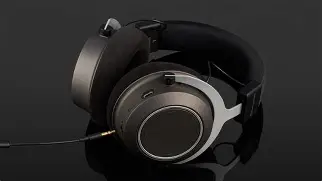
Commuting and travel
For rail and bus travel, the headphones’ closed design helps reduce ambient noise passively. Bring a cable for flights to avoid battery concerns and check airline in-flight audio compatibility for wired use. If a significant amount of noisy commuting is expected, a separate ANC solution might be considered if passive isolation alone is insufficient.
Home hi-fi listening
At home, pair the headphones with a high-quality source (lossless files or high-bitrate streaming) and consider using a dedicated DAC or a phone with a high-performance output for wired listening. Use a comfortable listening chair and minimize room reflections for the most immersive experience.
Remote work and conferencing
The Amiron Wireless can handle voice calls, but voice pickup and microphone performance vary by model and environment. For frequent conferencing, test call quality and consider combining the headphones with an external lavalier or desktop mic for better speech capture when clarity is essential.
Casual mixing and monitoring
As a reference for casual mixing and balance checks, the Amiron Wireless provides a natural perspective on midrange and tonal relationships. For final mastering and precise low-end decisions, check mixes on studio monitors or a calibrated system to complement headphone listening.
Maintenance and troubleshooting
Cleaning and care
Keep ear pads clean by wiping with a slightly damp, lint-free cloth. Avoid saturating materials. For velour pads, a soft brush can remove debris. Store the headphones in a protective case when not in use to prevent crushing and to limit exposure to dust and humidity.
Firmware and support
Occasionally check the manufacturer’s support page for firmware updates or product notices. Firmware updates can improve Bluetooth performance, fix bugs, and sometimes add compatibility with new devices. Follow official instructions precisely when applying updates.
Common problems and fixes
- Intermittent connection: Ensure line-of-sight, update device Bluetooth drivers, unpair and re-pair, and check for interference from other nearby devices.
- Poor call quality: Verify microphone permissions on the phone or computer and test with a different device to isolate the issue.
- Low volume: Check both source and device volume, ensure correct output profile, and test wired mode to determine whether the issue is wireless-related.
Buying guide: what to consider before purchasing
Choosing the right headphones requires matching product strengths to the buyer’s priorities. Use the following checklist to decide whether the Amiron Wireless aligns with needs and lifestyle.
Checklist
- Primary use: Is the priority musical enjoyment, commuting, or travel? For travel with heavy noise, evaluate headphones with active noise cancellation.
- Sound preference: Does the listener prefer neutral, analytical sound or a more musical, warm presentation? The Amiron Wireless tends toward musical neutrality with natural mids.
- Comfort requirements: For very long sessions, ear padding, clamping force, and headband ergonomics matter more than small differences in weight.
- Feature needs: Does the buyer need ANC, multipoint device pairing, touch controls, or a wired fallback? Prioritize models that include the required features.
- Budget and value: Consider long-term use: comfort and serviceability add value beyond initial price. Evaluate warranty and brand support policies.
Conclusion
The Amiron Wireless is a compelling choice for listeners who prioritize musicality, comfort, and build quality in a wireless form factor. By following simple setup steps—charging correctly, pairing cleanly, choosing the best codec available, and using wired fallback when low latency is required—owners can extract consistently excellent performance across a range of real-world scenarios. Whether used for focused home listening, remote work calls, or on-the-go enjoyment, careful setup and modest EQ tailoring will let the Amiron Wireless deliver a satisfying and durable listening experience.