The Ultimate Setup Guide for Your Netac Zx20 Ii Portable Ssd
The Netac Zx20 Ii Portable SSD is aimed at buyers who want a compact, fast, and reliable external drive for daily workflows — from photographers and video editors to road-warrior professionals and students. This guide covers what to expect from the product, how to prepare it for use across different operating systems, real-world performance considerations, data protection strategies, a comparison with similar drives, and practical buying advice. The tone is objective and editorial, focusing on what owners typically care about when choosing and setting up a portable SSD.
Product overview and key features
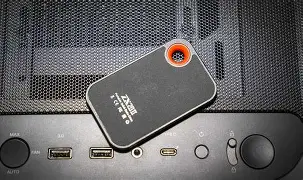
The Netac Zx20 Ii is a pocket-sized external solid-state drive positioned as an affordable, high-speed storage option for laptops and desktop systems. Typical characteristics of drives in this class include a USB-C connector, a USB 3.x interface (commonly USB 3.2 Gen 2 on many modern portable NVMe enclosures), multiple capacity points (such as 250 GB, 500 GB, 1 TB, and 2 TB), and an aluminum or plastic enclosure for heat dissipation and portability.
Important buyer-facing attributes to note:
- Interface and ports: The drive usually connects over USB-C; a USB-C to USB-A cable is commonly included for legacy systems.
- Performance: Sequential read/write numbers are competitive for USB 3.2 Gen 2 devices, with real-world results depending on host hardware, cable quality, and drive capacity.
- Durability and size: A compact chassis makes it convenient for travel, though users that need ruggedness should check IP ratings and shock resistance.
- Warranty and support: Warranty length and manufacturer support vary by region; buyers should verify warranty terms before purchase.
Because manufacturer specifications and bundled accessories can vary by market and production runs, owners should inspect the package contents and the printed specifications to confirm the exact model features.
Unboxing and physical setup
When unpacking the Netac Zx20 Ii, owners should expect the SSD itself, a short USB-C to USB-C data cable, and often a USB-C to USB-A adapter or cable for older hosts. The drive may include a quick-start leaflet and warranty information.
Basic setup is straightforward: connect the SSD to the laptop or desktop using the supplied cable. Most modern operating systems will mount the drive immediately, but initial formatting or partitioning may be required depending on the intended use.
Cable and port considerations
Performance depends heavily on both the cable and the host port. A USB-C cable marked for data (and ideally USB 3.2 Gen 2) should be used. If the host system only provides USB-A ports, the included adapter or cable will work but may limit throughput to the USB 3.0/3.1 Gen 1 ceiling (~100–200 MB/s in practice vs. several hundred MB/s or more on Gen 2 ports).
Initial configuration and formatting
Formatting choices influence cross-platform compatibility, performance, and suitability for specific workflows. The right format depends on whether the drive will be used with Windows, macOS, Linux, or a mix of these systems.
Shop the latest Laptops & Computers picks on Amazon.
See Deals →Windows (recommended workflows)
- For Windows-only use: format as NTFS. NTFS supports large files, permissions, compression, and is compatible with Windows backup tools.
- For cross-platform use with macOS: format as exFAT. exFAT supports large files and is readable/writable by modern Windows and macOS installations without additional drivers.
- Formatting steps: open Disk Management, locate the Netac Zx20 Ii volume, delete existing partitions if necessary, create a new partition, and format with the chosen file system. Assign a descriptive volume label to make the drive easy to identify.
- Allocation unit size: for large video files, a larger allocation unit (e.g., 64 KB or 128 KB) can marginally improve throughput; for many small files, stick with the default.
macOS
- For Mac-only workflows and maximum macOS integration, choose APFS (Apple File System). APFS offers modern SSD optimizations on recent macOS versions.
- For cross-platform work, use exFAT. Time Machine compatibility has evolved across macOS releases; owners who plan to use Time Machine should consult current Apple guidance and choose APFS or HFS+ where recommended for their macOS version.
- Formatting steps: open Disk Utility, select the external drive (not the partition), erase and set the format and scheme (usually GUID Partition Map for UEFI systems).
Linux
- For Linux-only use, format as ext4 for broad compatibility and stability; for specific filesystems or needs, consider XFS or Btrfs.
- For cross-platform use, exFAT is supported in modern kernels and via user-space tools but may require package installation on some distributions.
- Use GNOME Disks, GParted, or command-line tools (parted, mkfs) to format and partition.
Important: Back up any existing data before reformatting. Formatting will erase all contents.
Performance testing and real-world expectations
Publishers often quote peak sequential speeds measured on ideal test benches. Real-world throughput depends on:
- Host port capability: A USB 3.2 Gen 2 port yields significantly higher performance than USB 3.0/3.1 Gen 1.
- Cable quality: Use the supplied cable or a certified replacement rather than a random spare USB cable.
- Thermal behavior: Sustained writes can heat the SSD controller and NAND, leading to thermal throttling and reduced speeds during prolonged transfers.
- Capacity and internal configuration: Higher-capacity SKUs often use more NAND channels and can deliver higher sustained performance than lower-capacity variants.
To benchmark, reviewers commonly use CrystalDiskMark on Windows or Blackmagic Disk Speed Test on macOS. A typical workflow test for photographers might involve copying a large folder of RAW files and timing the operation; for video editors, copying a multi-gigabyte 4K clip provides a realistic measure of sustained write performance.
Firmware updates and drivers
Manufacturers occasionally release firmware updates that address stability, compatibility, or performance. Owners who plan to update firmware should:
- Confirm model exactness against the manufacturer’s support documentation.
- Back up all data on the drive before attempting a firmware update.
- Use the manufacturer’s official firmware tool and follow instructions precisely — interrupting an update can render a drive unusable.
- Check whether firmware tools are available for the intended host operating system (Windows vs macOS).
In many cases, the drive will function without additional drivers on modern operating systems. If the drive is not recognized, updating the host system drivers (USB controller drivers, chipset drivers) can resolve issues.
Data protection and encryption options
Data security is a frequent buyer concern. There are two typical encryption approaches:
- Hardware encryption: Some portable SSDs implement hardware-based AES encryption with built-in password protection. If security is a priority, verify whether the model includes hardware encryption and how password management is implemented.
- Software encryption: For drives without hardware encryption, owners can use solutions such as BitLocker To Go (Windows), FileVault (for macOS-formatted volumes), or cross-platform options like VeraCrypt. These tools encrypt the container or the entire volume and require careful key management.
Owners should weigh convenience against security: hardware encryption with easy-to-use access tools is convenient but requires trust in the vendor’s implementation; software encryption places control in the owner’s hands but may slightly affect performance.
Shop the latest Laptops & Computers picks on Amazon.
View Offers →Real-world use cases
The Netac Zx20 Ii typically appeals to a number of buyer profiles:
- Photographers: For tethered shoots and on-location backups, the drive’s portability and fast sequential writes make it suitable for storing RAW image batches and quickly moving files between machines.
- Video editors: For short-term editing of HD and certain 4K files, the SSD provides responsive playback and reduced seek times. For multi-stream ProRes or sustained high-bitrate recording, owners should test sustained write performance.
- Traveling professionals: Consultants and creatives who need a reliable, compact backup device benefit from the small footprint and generally robust performance of portable SSDs.
- Students and office users: Fast file transfers and instant responsiveness for virtual machines, large datasets, and document repositories are useful for day-to-day workflows.
- Gamers: As an external library for games, the SSD shortens load times compared with external HDDs, but console support and performance characteristics should be verified for each platform.
Pros & Cons
Pros
- Compact, pocketable form factor convenient for travel and mobile workflows.
- High transfer rates for short bursts and typical consumer workloads when attached to a compatible USB port.
- Low power consumption and silent operation compared with external hard disk drives.
- Usually bundled with the necessary cables for immediate use on laptops and desktops.
Cons
- Sustained performance may fall under heavy, prolonged write workloads due to thermal throttling or controller limits.
- Feature set (hardware encryption, ruggedization) can vary by SKU; not all versions include advanced security or shockproof ratings.
- Support and firmware update processes differ by region; documentation quality can be inconsistent.
- Price per gigabyte is typically higher than internal SATA or NVMe solutions.
Comparison: Netac Zx20 Ii versus other portable SSDs
| Model | Interface | Typical Sequential Read | Typical Sequential Write | Notable Strengths |
|---|---|---|---|---|
| Netac Zx20 Ii | USB-C (likely USB 3.2 Gen 2) | Up to ~1,000 MB/s (varies by capacity/host) | Up to ~900 MB/s (sustained rates depend on thermal and capacity) | Good value, compact; suitable for general-purpose portable storage |
| Samsung T7 | USB-C (USB 3.2 Gen 2) | Up to ~1,050 MB/s | Up to ~1,000 MB/s | Strong brand support, consistent performance, optional hardware encryption |
| SanDisk Extreme Portable SSD | USB-C (USB 3.2 Gen 2) | Up to ~1,050 MB/s | Up to ~1,000 MB/s | Rugged options, IP-rated variants available, good for outdoor use |
| Crucial X8 | USB-C (USB 3.1 Gen 2) | Up to ~1,050 MB/s | Up to ~1,000 MB/s | Reliable performance, solid build, often competitively priced |
The table presents approximate expectations. Actual performance depends on the specific model's internal controller, NAND, and host environment. Buyers who need guaranteed sustained write performance for long recording sessions should evaluate published sustained write numbers or seek professional reviews that measure real-world workloads.
Buying guide: what to prioritize
Selecting the right portable SSD involves balancing capacity, speed, durability, and budget. The following checklist helps align a purchase with intended use:
- Capacity: Determine the working set. Photographers and editors who keep large RAW or video libraries should consider 1 TB or larger. For lightweight file transfer and document backups, 250–500 GB may suffice.
- Interface support: Confirm that the host device has a USB-C port with the appropriate generation. For maximum throughput, prioritize USB 3.2 Gen 2 or higher.
- Sustained write needs: For recording long 4K video clips directly to the external SSD, check sustained write performance and thermal design.
- Compatibility: If multiple OSes are used, choose exFAT for cross-platform access or maintain separate partitions/formats for different systems.
- Security: If sensitive data will be stored, verify hardware encryption or plan for software encryption; consider how password recovery and key management will be handled.
- Durability: For outdoor or rugged use, look for IP ratings or ruggedized housings designed to resist dust and water.
- Warranty and support: Longer warranties and responsive support channels add value, especially for professionals relying on the drive for daily work.
- Cable and port accessories: Confirm what cables are included and whether a USB-A adapter is necessary for older machines.
Troubleshooting & maintenance
Common issues and recommended steps:
- Drive not recognized: Try a different cable and a different USB port. Check whether the host recognizes other USB devices; update chipset or USB drivers if necessary.
- Intermittent disconnects: Test with another system and cable to isolate the problem. Power management settings on laptops sometimes suspend USB ports; adjust power plans to prevent selective suspend.
- Slow transfer speeds: Verify connection to a Gen 2 USB port, use the bundled cable, and close background tasks that may throttle I/O. Benchmark on multiple systems to rule out host limitations.
- Corrupted file system: Run CHKDSK (Windows) or fsck (Linux/macOS in recovery) after mounting issues. Restore from backups where needed.
- Firmware update failures: Do not power off or disconnect the drive during an update. If an update fails, contact manufacturer support for recovery options.
- Regular maintenance: Owners should maintain at least one offline backup of critical data and periodically check SMART attributes if supported by the enclosure/controller.
Conclusion
The Netac Zx20 Ii Portable SSD represents a practical choice for users who need compact, relatively fast, and convenient external storage for everyday tasks and moderate professional workflows. When setting up the drive, owners should focus on selecting the correct file system for their workflow, using the right cable and host port for optimal performance, and planning for data protection through backups and encryption where required. Real-world performance is influenced by many factors — host hardware, cable quality, and thermal behavior — so testing the specific capacity and configuration under representative workloads is recommended before relying on the drive for critical projects. With considered setup and maintenance, the Netac Zx20 Ii can be a dependable workhorse for photographers, editors, and travelers who prioritize mobility and responsiveness over the absolute lowest price per gigabyte.