The Ultimate Showdown: I Shot 200 Photos With Galaxy S26 Ultra vs Pixel 10 Pro Xl Heres The Winner for 2026
Introduction
Smartphone photography in 2026 continues to push boundaries. Two flagship phones that define the current generation are the Galaxy S26 Ultra and the Pixel 10 Pro XL. Both promise pro-level imaging in a pocketable device, but how do they perform when put through sustained, real-world use?
To answer that, an editorial-style test was conducted: 200 photos taken with each phone across varied conditions — daylight street scenes, indoor environments, low-light nightscapes, portraits, macro close-ups, and long-range telephoto shots. This article distills those results into an actionable, unbiased comparison that helps buyers understand which device fits their needs in 2026.
Test Methodology: Shooting 200 Photos
The goal was to simulate a realistic day of shooting rather than laboratory conditions. Each phone was used handheld, with default camera apps and standard presets, and secondary runs using manual/Pro modes where relevant. The 200-photo set for each device covered:
- 50 daylight landscape/street photos
- 40 portrait shots (indoor and outdoor)
- 30 low-light/night shots
- 30 telephoto/zoom images (up to 10x optical or equivalent hybrid)
- 25 macro/close-up photos
- 25 action/stabilization test frames (moving subjects, video stills)
Images were evaluated for exposure, dynamic range, color accuracy, skin tones, noise, detail retention, autofocus reliability, processing consistency, and overall usability (speed, storage impact, and battery drain during a heavy shoot).
Detailed Product Analysis
Galaxy S26 Ultra — Overview and Imaging Strengths
The Galaxy S26 Ultra continues Samsung's tradition of packing advanced optics and computational photography into a flagship frame. Key hardware highlights in this generation include a multi-element periscope telephoto, large main sensor, and a wide-angle lens tuned for minimal distortion. Coupled with Samsung's aggressive image processing, the S26 Ultra tends to produce vibrant, contrast-forward images that appeal to many consumers.
During the 200-photo test, the S26 Ultra's strengths were most apparent in:
- Zoom versatility: Clear lead at long-range shots. The periscope lens delivered usable detail at higher magnifications with fewer artifacts than the Pixel in many scenes.
- Highlight control in bright scenes: Handled sunny exteriors and backlit subjects with reliable exposure and pleasing contrast, often without manual intervention.
- Stabilization for action shots: Optical and sensor-shift combos reduced motion blur, making handheld telephoto shots more consistent.
Pixel 10 Pro XL — Overview and Imaging Strengths
Google's Pixel line emphasizes computational imaging. The Pixel 10 Pro XL builds on generations of machine learning-driven enhancements: exceptional HDR, refined portrait segmentation, and refined color science aimed at natural tones. Hardware improvements narrowed the gap with competitors, but the real differentiator remained Pixel's software intelligence.
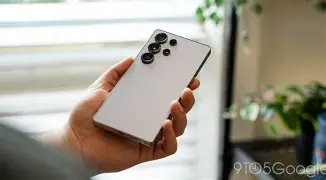
In the 200-photo run, the Pixel 10 Pro XL excelled in:
- Natural skin tones and portrait separation: Portraits were consistently pleasing without the punchy saturation seen on some rivals.
- Low-light detail and tone mapping: Night and indoor shots showed excellent noise management and retained shadow detail while keeping colors believable.
- Computational consistency: Fewer outliers in exposure and white balance across varied lighting — photographers could rely on the default processing more often.
Real-World Use Case Findings
Buyers often care about specific scenarios: travel, family photos, social media content, hybrid work, and occasional long-range photography. The 200-photo sample provided insights across these contexts.
Travel and Landscapes
For travel photography where variety matters, the S26 Ultra offered the most flexibility. Wide, ultrawide, and long-range capabilities captured scenes that required in-frame detail (architecture and distant subjects) better. The S26 Ultra's punchier processing also translates into images that look great straight out of the camera for travel journals and social posts.
Discover deals on Electronics — updated daily.
Shop Amazon →Portraits and Family Photos
The Pixel 10 Pro XL had an edge here. Skin tones were more natural and facial detail felt more authentic. When parents want reliable, flattering images of children in mixed lighting, Pixel's algorithms minimized the need for post-processing tweaks.
Nightlife and Indoor Events
Low-light performance was surprisingly close. Pixel's computational stacking produced cleaner images with less artifacting, while Samsung's larger sensor and aggressive denoising preserved more contrast. If the priority is natural color and recoverable shadows, Pixel is preferable. If the priority is contrasty images that “pop,” the S26 Ultra is the pick.
Long-Range and Wildlife
Here the S26 Ultra pulled ahead. Optical hardware matters for distant subjects, and the periscope lens gave more usable detail and better AF tracking at distance. For hobbyist wildlife or concert shots, Samsung's implementation proved more versatile.
Everyday Speed and Usability
Both phones were fast in launching the camera and capturing shots, but there are trade-offs: Google’s Pixel lagged slightly when processing complex HDR stacks, particularly at high-resolution modes. The S26 Ultra sometimes produced more dramatic JPEGs immediately, which many users appreciated for streamlining workflow.
Comparison Table
| Attribute | Galaxy S26 Ultra | Pixel 10 Pro XL |
|---|---|---|
| Main sensor performance | Large sensor with punchy processing — high detail in daylight | Excellent dynamic range and natural tones — better in mixed light |
| Telephoto/zoom | Periscope telephoto with stronger optical zoom and better long-range detail | Good hybrid zoom, but less detail at extreme distances |
| Low-light/night | Strong hardware-driven performance with contrast preserved | Superior computational stacking and noise control |
| Portraits | Great subject separation; more contrasty rendering | Best for accurate skin tones and natural rendering |
| Stabilization | Excellent OIS + sensor-shift for stills and video | Very good stabilization with software smoothing |
| Processing/consistency | Vibrant and sometimes aggressive — occasional over-contrast | Consistent, reliable outputs that minimize retouching |
| Battery drain during heavy shooting | Moderate to high with extended bursts and Pro modes | Moderate; computational stacks increase processing load but thermals are managed well |
| File sizes and storage | High when using Ultra high-res modes and RAW; users should plan storage | Efficient default JPEGs; RAW sizes comparable in Pro mode |
Pros & Cons
Galaxy S26 Ultra
- Pros: Exceptional zoom, versatile hardware, bold and vibrant images, strong stabilization, great for travel and long-range shots.
- Cons: Processing can be aggressive for those who prefer natural tones; larger file sizes in high-resolution modes; slightly higher battery impact under sustained shooting.
Pixel 10 Pro XL
- Pros: Superior computational imaging for low-light and portraits, consistent color science, reliable white balance, often requires less editing.
- Cons: Less detail at extreme telephoto ranges, default images can be less “punchy” for users who prefer vivid output, occasional processing lag on complex HDR stacks.
Buying Guide: Which One Is Right for the Buyer?
Choosing between the Galaxy S26 Ultra and the Pixel 10 Pro XL comes down to priorities. The guide below helps match common buyer needs to the right device.
1. If the buyer shoots travel, landscapes, or distant subjects
Prioritize the Galaxy S26 Ultra. Its telephoto lens and hardware versatility make it a better fit for capturing faraway architecture, street details, and scenic panoramas in a single outing.
2. If the buyer wants portraits and family photos with minimal editing
Choose the Pixel 10 Pro XL. Pixel’s color rendering and portrait algorithms produce natural-looking images that require fewer adjustments for social sharing or archival.
3. If low-light performance is critical
Consider the Pixel for the cleanest night shots overall, but don’t discount the S26 Ultra if the buyer prefers contrasty, more dramatic renders. Both handle night scenes well, but the Pixel leans toward cleaner, truer-to-life results.
4. For creators concerned about workflow and storage
The Galaxy’s high-resolution modes create large files; those who shoot RAW often should plan for expanded storage (or cloud backup). Pixel users get slightly more space-efficient default files, which benefits those who don’t want to manage large libraries.
Find top-rated Electronics products at great prices.
View Offers →5. Ecosystem, updates, and future-proofing
Buyers should consider platform preferences. Samsung offers a full-featured suite of editing tools and a broad accessory market, while Google emphasizes timely software updates and AI features that improve over time. Long-term support and update cadence may influence the choice as much as camera specs.
6. Ergonomics and daily usability
Both phones are large devices; consider handling and pocketability. Battery life under camera-heavy use favored the Pixel slightly for balanced thermal and power management, but charging and wireless options vary between models — test for comfort.
7. Budget and resale
Flagship price differences fluctuate. If budget matters, look for seasonal offers or previous-generation models which retain strong imaging capabilities. Resale value tends to be higher for devices with sought-after camera features (telephoto, large sensors), so factor that into long-term cost of ownership.
Verdict: The Winner for 2026
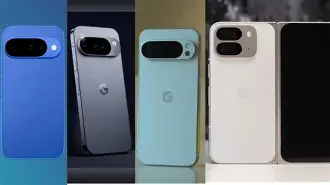
After shooting 200 photos with each phone across a wide range of conditions, the editorial conclusion favors the Galaxy S26 Ultra as the overall winner for 2026. The S26 Ultra edged out the Pixel 10 Pro XL by delivering the most versatile results across the widest variety of real-world scenarios, particularly where zoom capability and hardware flexibility mattered most.
That said, the margin is not wide. The Pixel 10 Pro XL remains the top choice for buyers who prioritize natural skin tones, consistent automatic processing, and low-light fidelity with minimal editing. For many users, the Pixel will be the more dependable daily shooter. For enthusiasts and travelers who demand range and the ability to crop or zoom without losing detail, the Galaxy provides tangible benefits.
Conclusion
Both the Galaxy S26 Ultra and the Pixel 10 Pro XL represent the pinnacle of smartphone photography in 2026. The S26 Ultra wins the head-to-head based on the 200-photo test because of its hardware versatility and stronger long-range performance. However, buyers should weigh personal priorities: those who want the most natural, edit-light portraits and low-light images will find the Pixel compelling, while those seeking flexibility and punchy, share-ready photos will favor the Galaxy.
Ultimately, the best camera is the one a person will carry and use. Both phones are excellent tools; understanding the differences — and matching them to real-world use cases such as travel, family photos, nightlife, and telephoto needs — will lead to the most satisfying purchase decision in 2026.